Reflections on spirituality, life, meaning, and purpose
Menu
Search
Author: Carissa A. Kane
Carissa A. Kanehttps://hopethatfloats.wordpress.comI am passionate about spirituality and the journey to deepen and grow in relationship with God.
My desire to live a life rooted in the Divine, and to journey with others who wish to do so, has grown, as have I, through the joys and sorrows, the struggles, victories and challenges of life.
I feel blessed to be a child of God, wife, mother, writer, spiritual director, and retreat director.
To rest easy, As you go. Rest easy, As you work. Rest easy, As you play. Rest easy, Here and now. Rest easy, In each moment. Rest easy, Rest assured, Rest in Light and Love, Rest in Peace.
Come to me, all you who labor and are burdened, and I will give you rest. Take my yoke upon you and learn from me, for I am meek and humble of heart; and you will find rest for yourselves. For my yoke is easy, and my burden light. – Matthew 11:28-30
As the leaves made their way to each other, Stretching out from the branches that held them up, Creating a barrier, distorting all that lay behind, The air among them became thick, and hazy too. It’s true what’s lost is found, but so too, Is it true that some things are better lost, Or rather not found but overcome. Not all things that return are welcome, Nor should they be. What binds One and all together, that’s what is Supreme. Enlightening to the soul, Expanding hearts and minds, Extending a will that is free, Created to stand up and do more than just survive. Yes, the meek shall inherit the earth, But not by turning eyes from the blind, As they pounce and plunder, Putting down and shutting out, Igniting fires that are not Divine. What is True, what is Just, Brings together and raises up, Working things out to what is best. These are the tests of our times. Never mind what’s yours, what’s mine. What is True, what is Just, Beckons one and all. It shall not shrink… it shall not sink. These are the tests of our times.
Whoever finds his life will lose it, and whoever loses his life for my sake will find it. – Mt 10:39
What is it that turns the less familiar or unknown into something to be wary of? What is it that stirs up friction, creates angst, and seeks to build fortresses around what is “known” and against what is new or different? While familiarity can be a good thing, it can also get in the way of better things.
At times, what is known can pull at strings, hoping to stretch nerves thin, to direct hearts and minds to narrow ends, and to fill wide, open space with falsehoods. Yes, what’s familiar and comfortable can and will, at times, masquerade around as one beneficial thing or another, while really playing on deep seated or hidden worries, and selling deception as truth.
In the Gospel passage for the 12th Sunday in Ordinary Time (Matthew 10:26-33), Jesus says, “Fear no one…,” “Do not be afraid…,” “Do not be afraid…” As you think about your day-to-day life, envision yourself looking around and listening. Take notice. What do you see and hear? What thoughts and feelings are evoked? And, more importantly, where, or to whom, does it lead you?
“God made Truth with many doors to welcome every believer who knocks on them.” – Khalil Gibran
This is why it’s so important to take time to pause for prayer and to reflect on not only the direction in which one is travelling, but also to notice who or what is prompting or leading one’s movement.
Throughout Scripture we see God engaging with creation in a way that shows flexibility, mercy, forgiveness, and a give and take that always leaves room for growth of heart and mind, and thus, greater understanding that includes reason, but also often extends beyond it. We also see free will, and the twists and turns and outcomes, often unexpected by the human mind, that flow from it. We see many examples of people acting, reacting, and responding out of fear that sells itself as die-hard commitment to tradition, or presents itself as self-preservation, pride, greed, jealousy, and more. There are also many examples of people rising above the circumstances, in ways alternative to the times in which they lived. And through it all, we see, time and again, God’s flexibility through unwavering love, patience, compassion, forgiveness, integrity, and understanding.
What’s an image from Scripture that comes to mind when you think about interactions between God and a person or group of people? Go to a passage that includes one of the interactions, read it, and then spend some time reflecting on it. What are you most drawn to in the passage? What qualities of God touch your heart most deeply? What is God revealing to you and wanting you to know at this moment?
What’s it like to think that maybe everything you’ve ever known is just a fraction of every good thing that awaits you on the other side of resistance to the unfamiliar?
Breaking free of all that is clutter, To step away can be a struggle. More than noise and expectations, Theories and persuasion. Competing, always competing, Ever disguising might as right. What is it with this clutter, Going round both day and night?
It can be hard and very trying, To move beyond its reach, Or to strive to rise above it.
Yet, sometimes a willing heart, Into the wide and open air, Is all it really takes.
Then, leaning back, to catch a glimpse, And take a breath so deep, It carries inner strength and peace. Filled with hope and gentle wisdom, It’s time to return to what was left behind. Somehow, it’s all the same, But also, very different.
Because the loaf of bread is one, we, though many, are one body, for we all partake of the one loaf. – 1 Cor 10:17
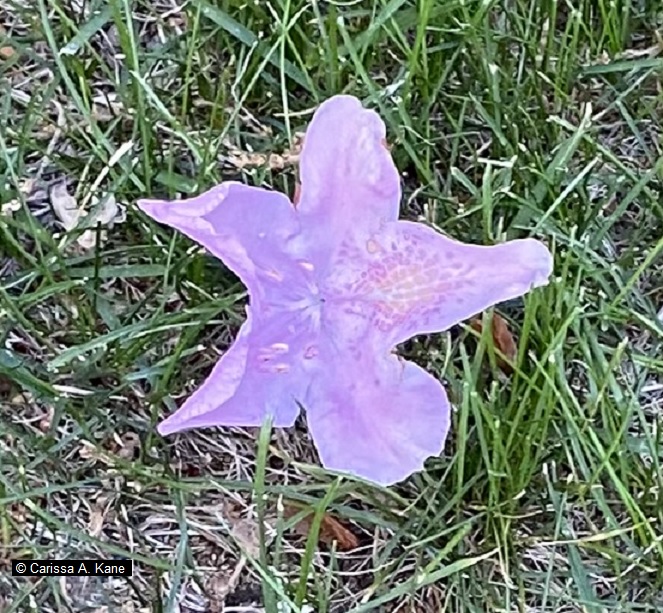
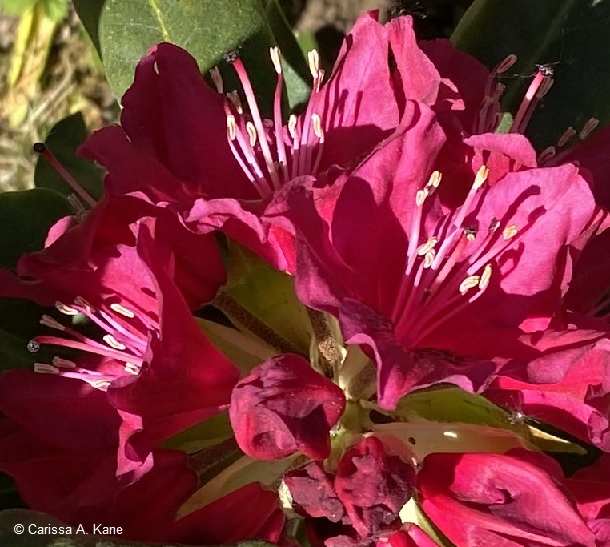
Out of place, But right at home, Very much at ease. More than content To simply be, Like flowers will And often do. Accepting grace, Blooming faith. Paying homage, Chosen, yes, chosen, And gently put in place.
Glory be to the Father, and to the Son, and to the Holy Spirit. As it was in the beginning, is now, and ever shall be, world without end. Amen.
Do you recall being in a group of people, partaking in an experience, whatever it might have been, and having anything that might normally serve to create a wedge or cause a disturbance, fade away? What was that like?
Oftentimes, when such experiences occur, it’s because there is a shared focus and desire that outweighs all the things that might otherwise interfere and distract individuals away from being influenced by the Spirit that moves them toward embracing what is mutually beneficial to all. In other words, it happens when one lets go and detaches from being driven by what is more immediately self-serving or earthly. This then leaves room to be led by the Spirit.
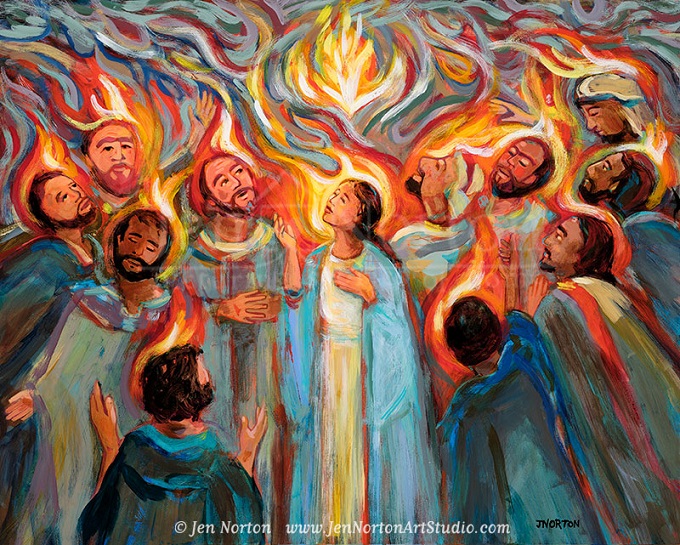
In chapter 2 of the Acts of the Apostle’s, it is written,
And they were all filled with the Holy Spirit and began to speak in different tongues, as the Spirit enabled them to proclaim.
Now there were devout Jews from every nation under heaven staying in Jerusalem. At this sound, they gathered in a large crowd, but they were confused because each one heard them speaking in his own language. They were astounded, and in amazement they asked, “Are not all these people who are speaking Galileans? Then how does each of us hear them in his native language?” – Acts 2:4-8
This is an example of the Spirit breaking down barriers that would seek to prevent the Good News from being shared, lived, and spread across the face of the earth. Reading on, we learn more about the many different places from which the crowd came. Undoubtedly, they also had different ideas on how to live and how to go about doing things.
We are Parthians, Medes, and Elamites, inhabitants of Mesopotamia, Judea and Cappadocia, Pontus and Asia, Phrygia and Pamphylia, Egypt and the districts of Libya near Cyrene, as well as travelers from Rome, both Jews and converts to Judaism, Cretans and Arabs, yet we hear them speaking in our own tongues of the mighty acts of God.” – Acts 2:9-11
What’s it like to contemplate the way that the Spirit enabled the disciples of Jesus, who were, for all intents and purposes, more alike than not, to communicate with those who spoke different languages and were foreign to them?
Notice how the Spirit enabled the disciples, and further defined the notion of discipleship, to become more diverse while at the same time bringing about greater unity. Also consider the posture of the disciples. In chapter 1 of the Acts of the Apostles, we read that they, “devoted themselves with one accord to prayer” and we see that play out in the choice of Matthias to join them (v. 15-26) as well as in their choices going forward. Again, they are united in prayer with hearts that desire to be led to “do the right thing” (what is good and just) more so than choosing based on personal preference or bias. This is what happens when there is a genuine striving to do what is best.
On this Pentecost, in a world that continues to face such great division and strife, the words of Thomas Merton seem so appropriate, “My dear brothers and sisters, we are already one. But we imagine we are not. And what we have to recover is our original unity. What we have to be, is what we are.”
Take some time to meditate on these words. Pray with what comes to mind and how your heart is moved. What does the Spirit want to show you?
When you send forth your spirit, they are created, and you renew the face of the earth. – Ps 104:30
In the perpetual quest So quietly pursued, Rising up and reaching out. Catching to the eye, Inviting to the soul, A symbol and a sign, Whether seen by one or not.
Aspiring to something greater. Ascending from the earth, Leaving worms to worm it out. So simple, yet so not.
Seeking to be found, Finding what is sought, Staying true, ever knowing, Not so much is all that deep. Not so much is lasting.
The earth is crying, Tearing everywhere, Calling out for something real. Not just some trick or worse, Not a passing trend or racket.
And authenticity, if it’s true, Can’t be bought.
May the eyes of your hearts be enlightened, that you may know what is the hope that belongs to God’s call. (Ephesians 1:18)
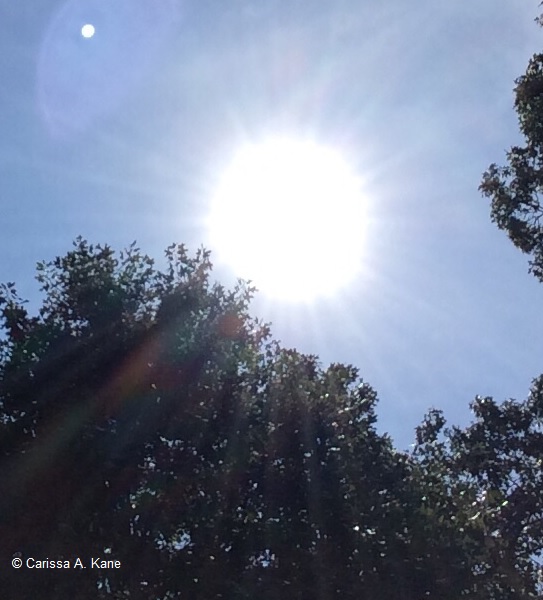
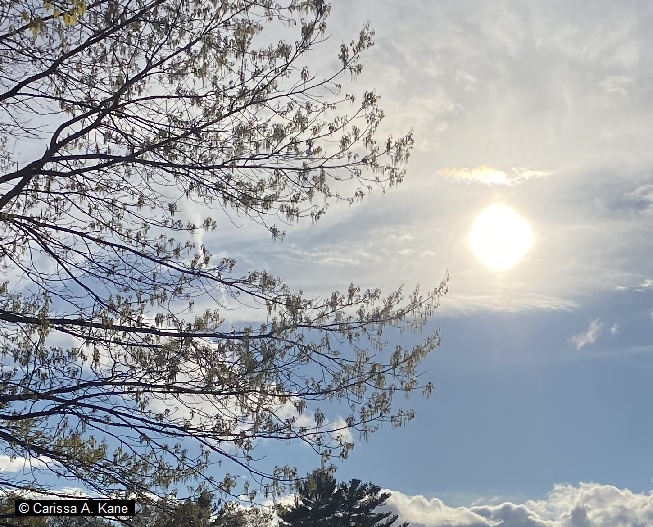
The trees, becoming more life like As they continue to grow deeper Into their shades of spring, Fill the air with hope, And instill a sense of trust. Not a sign of exactly what’s to come, But still a sign that’s telling. The sun will rise, As it always does. The sun will set, As it always does. Everything else? All that lies between? That will come and go, As it always does. Leaving behind the hope of days to come, And the soul keeping faith, Despite not knowing, As it always does.
Jesus said to his disciples: “Do not let your hearts be troubled. You have faith in God; have faith also in me.” (Jn 14:1).
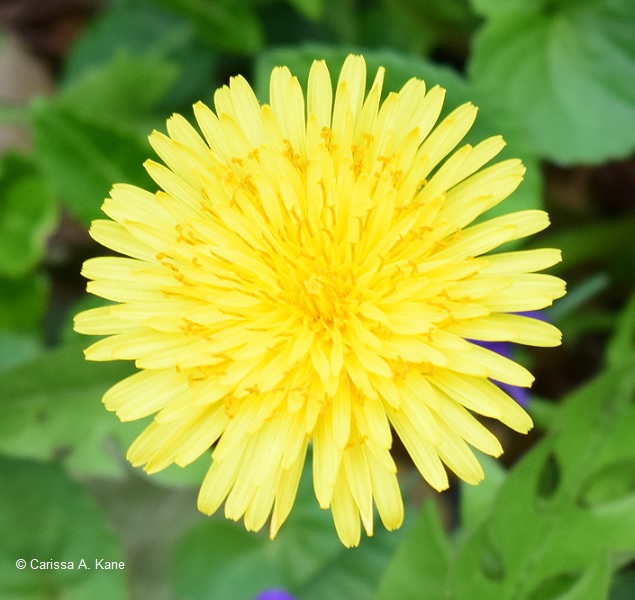
Upon first sight a threat, A battle to be had, A thing to put to rest. Yet, drawing closer A picture to behold. Golden, like the rule, If only it were practiced. So many points to reflect upon, Held together at the center And spreading out, As if to say, I have so many ways, I am full of life, But still have room to grow. Here for now, as if forever, as I am, But please know better, All is ever changing. Working toward the air, Poetry in motion, To be blown about, And all around, Making waves, Albeit gentle, From one life to another. Eternal presence, Dwelling for the masses, Extending hope And willing for your freedom. Not to be distorted, Or held hostage for your needs, But rather carried with great mercy, And my love, The example of compassion.
The Lord is my shepherd; there is nothing I shall want. – Psalm 23:1








 HopeThatFloats
You must be logged in to post a comment.