More than a recipe…

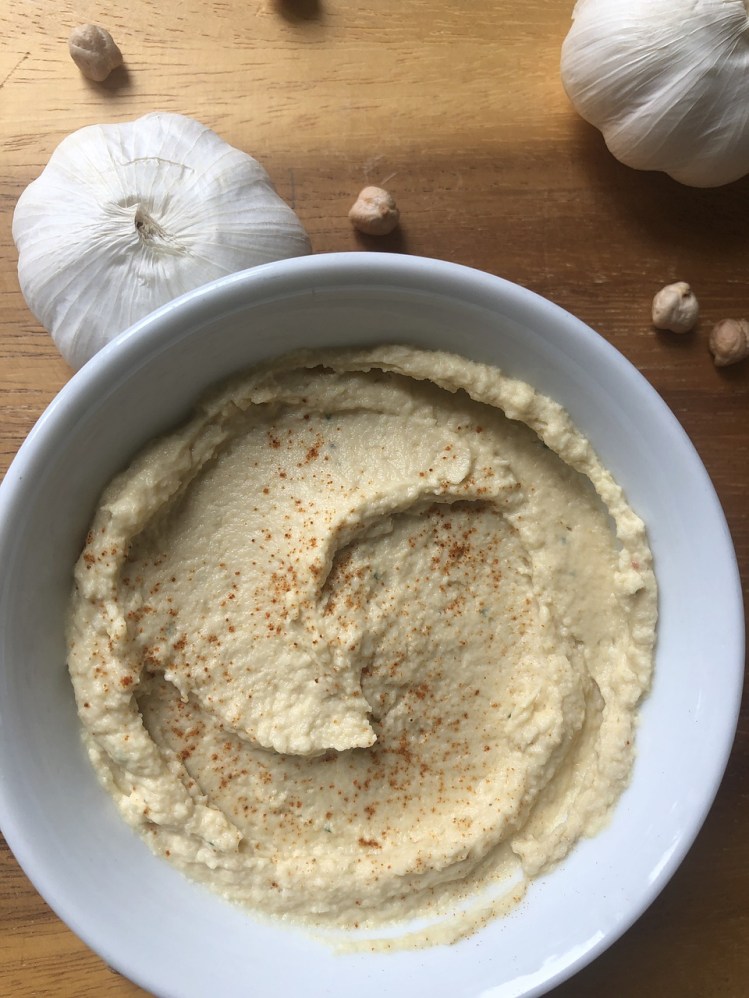
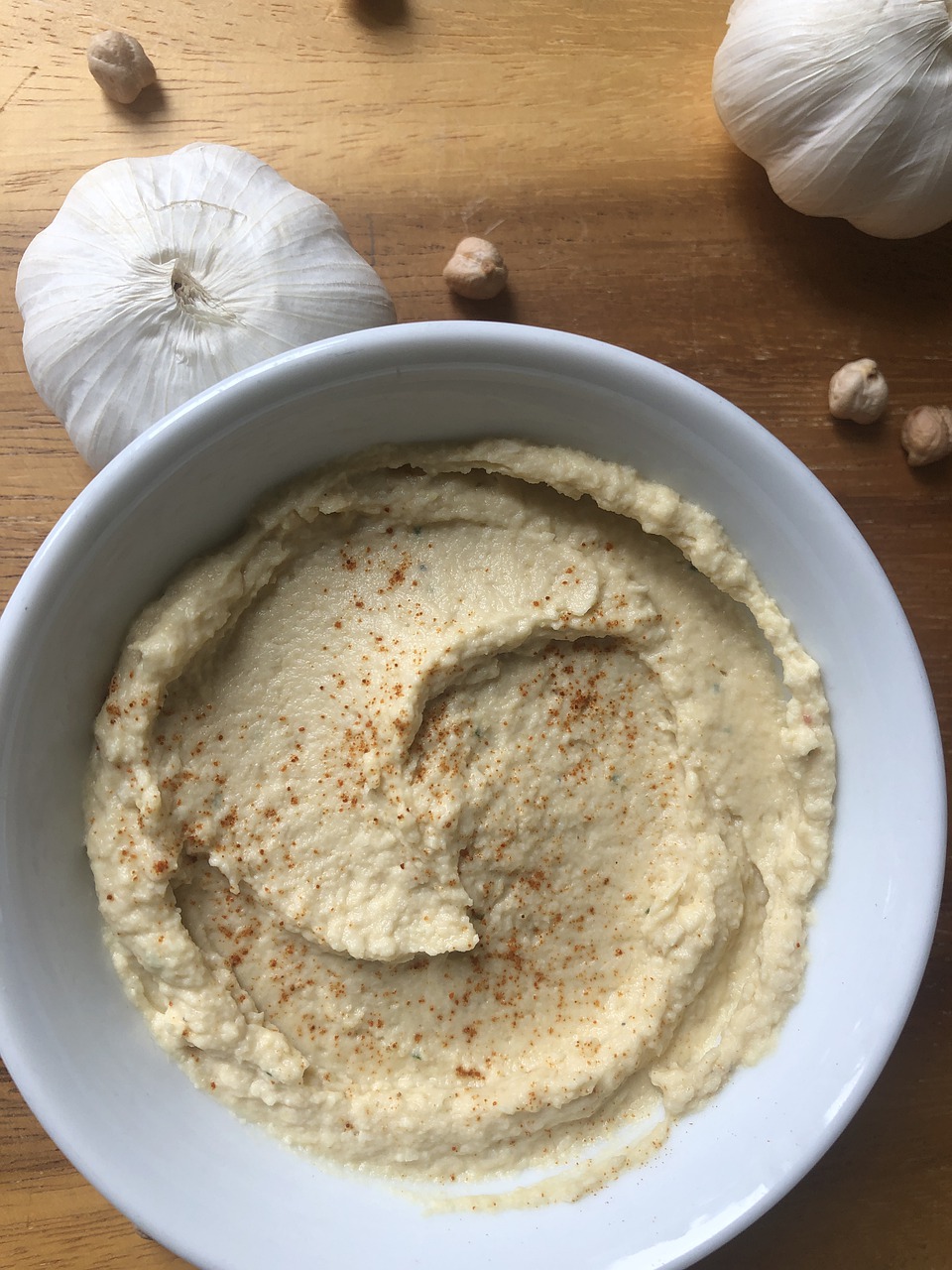
I did not learn to make hummus, with just the “right” amount of fresh garlic, salt, and lemon juice by eating it, reading a recipe, or watching my mother make it over, and over again. Rather, I learned by taking what I saw, remembering what I had tasted, and trying to make it myself, over, and over again. After all, the most helpful way to learn is by ongoing, active observance, repetition, participation, reflection, and openness to growth.

While experience is key, it is interesting that oftentimes as experience increases, awareness to room for improvement can lessen, or even disappear. With that, it may be more than tempting to take moments and situations for granted, rote, or with a “nothing new here” spirit. However, even the process of washing, rinsing, and repeating, holds newness and opportunity with each turn.

In the Gospel according to John, a week later, when the disciples were still locked in the room, Jesus appeared again (Jn 20:26). What was it like for the disciples who had seen the risen Jesus the first time he had appeared? Was it just a been there, done that, repeat for them, or were they able to experience the second appearance in a new or deeper way?

What was the attitude in the room? Were the disciples who had previously seen Jesus able to receive this visitation as being as much for them as it was for Thomas? To whom was Jesus speaking when he said to Thomas, “Have you come to believe because you have seen me?”

In the Gospel according to Mark, chapter 16, verse 11, it is written that when Mary Magdalene told the disciples that the risen Jesus had appeared to her outside the tomb, they did not believe without seeing either. Did the disciples remember this, when Thomas said, “Unless I see the mark of the nails in his hands and put my finger into the nailmarks and put my hand into his side, I will not believe.”(Jn 20:27)?

What did Thomas think, when Jesus said to him, “Have you come to believe because you have seen me? Blessed are those who have not seen and have believed.” (John 20:29)? What did he feel? Perhaps, he felt bad that he did not believe what he had been told by the other disciples. Or, perhaps Thomas felt joy that Jesus heard his need, and responded to it, allowing him to experience the risen Jesus himself.

After all, whether making hummus , dealing with faith, or anything else for which there may be “recipes” or popular thought, there is always more than what is on the page, for “Experience is the teacher of all things” (attributed to Julius Ceasar).

In all times, but most especially in those that are challenging, we must consider experience, both our own and that of others. What has it been like? Do we remember the times and places where we have doubted, questioned, or disagreed, and, do we extend the same courtesy, patience, peace, and understanding that Jesus extends to us, to others?
On the evening of that first day of the week,
when the doors were locked, where the disciples were,
for fear of the Jews,
Jesus came and stood in their midst
and said to them, “Peace be with you.”
When he had said this, he showed them his hands and his side.
The disciples rejoiced when they saw the Lord.
Jesus said to them again, “Peace be with you.
As the Father has sent me, so I send you.”
And when he had said this, he breathed on them and said to them,
“Receive the Holy Spirit.
Whose sins you forgive are forgiven them,
and whose sins you retain are retained.”
Thomas, called Didymus, one of the Twelve,
was not with them when Jesus came.
So the other disciples said to him, “We have seen the Lord.”
But he said to them,
“Unless I see the mark of the nails in his hands
and put my finger into the nailmarks
and put my hand into his side, I will not believe.”
Now a week later his disciples were again inside
and Thomas was with them.
Jesus came, although the doors were locked,
and stood in their midst and said, “Peace be with you.”
Then he said to Thomas, “Put your finger here and see my hands,
and bring your hand and put it into my side,
and do not be unbelieving, but believe.”
Thomas answered and said to him, “My Lord and my God!”
Jesus said to him, “Have you come to believe because you have seen me?
Blessed are those who have not seen and have believed.”
Now Jesus did many other signs in the presence of his disciples
that are not written in this book.
But these are written that you may come to believe
that Jesus is the Christ, the Son of God,
and that through this belief you may have life in his name. – John 20:19-31


Hope Restored… Bridges Rebuilt… No Thing Impossible…

These days there is much that can cause one to say, “I see it, but I don’t believe it!” The unbelievable and unreal seem so common place. It is so much so that the far out or absurd is no longer shocking, but rather quietly, silently absorbed into what seems like the disintegrating fabric of society. However, amidst the clouds of confusion and within the fragments of sense and sensibility, there is faith. Sometimes waiting to be discovered or rekindled, sometimes on the verge of becoming more broad or deepened.

The community of believers was of one heart and mind,
and no one claimed that any of his possessions was his own
but they had everything in common.
With great power the apostles bore witness
to the resurrection of the Lord Jesus,
and great favor was accorded them all.
There was no needy person among them,
for those who owned property or houses would sell them,
bring the proceeds of the sale,
and put them at the feet of the apostles,
and they were distributed to each according to need. – Acts 4:32-35

Unbelievable! Not only a community of believers, but one of the same heart and mind working and living side-by-side. Unity… accepting differences, learning from each other, and using the ways in which we are unique (our God-given gifts and talents) to strengthen us as we strive toward a common goal (to love God, and to love one another). Unity! So wonderful, but seemingly impossible in our times. One might say, “I won’t believe it, until I see it.”

The disciple Thomas essentially said, “I won’t believe it, until I see it” (John 20:19-31). Perhaps all that he had experienced and witnessed in his life along with his knowledge of Jesus and the crucifixion, coupled with dashed hopes and shattered expectations, led Thomas to the conclusion that things were broken beyond repair. Perhaps, “I won’t believe it, until I see it,” was, “My hopes have been crushed…my trust broken. My heart cannot take any more… I need to see it (proof) for myself.” And what is Jesus’ response? He gives Thomas what he needs, and then reminds him, as well as us, to keep the faith—believe. Despite what you may or may not see, believe.

With God, there is always hope and, where there is an open heart and mind, there is nothing… absolutely nothing beyond some kind of repair.

Our life is full of brokenness – broken relationships, broken promises, broken expectations. How can we live with that brokenness without becoming bitter and resentful except by returning again and again to God’s faithful presence in our lives.

– Henri Nouwen

Bridge

Without doubt, does seeing really lead to believing?

“I won’t believe it until I see it.” While society has taken the disciple Thomas and uses him as an example of what not to be like. One has to stop and think about the fact that the scripture passage in which Thomas says, “Unless I see the mark of the nails in his hands and put my finger into the nailmarks and put my hand into his side, I will not believe.” reveals so much more than “don’t be a doubting Thomas.”

The disciples are locked away in the upper room, but Thomas isn’t with them when Jesus appears. This suggests that Thomas had to have some level of courage and faith to have left the safety of the upper room where they had all been hiding out of fear.

Also, given all of the circumstances, it seems reasonable that Thomas, or anyone in his shoes, would question or have a hard time believing that Jesus appeared. Scripture states that Jesus showed his hands and his side to the disciples who were there in the upper room. This is curious. The other disciples had the benefit of not only seeing Jesus, but also seeing proof that it was really Jesus. Thomas did not have either. Jesus showed the disciples his hands and his side without them asking for proof. In essence, they are no different than Thomas, they did not believe without seeing either.

I cannot help but wonder if this passage would even be in the Bible if Thomas was not honest about his doubt, and instead responded, “How wonderful!” when the disciples told him that Jesus appeared to them. Thomas’ honesty is striking. He did not hide his doubt, but instead he was truthful, he made himself vulnerable, and gave voice to it.

As a result, look at what happens. Jesus appears again, a week later, to the disciples, including Thomas. While Jesus speaks about believing without seeing, He is not mad at Thomas and doesn’t kick him out of the “posse” for his doubt. Instead, Jesus meets Thomas where he is and gives him what he needs to believe and to trust. Jesus reveals the truth directly to him. Had Thomas denied or hidden his doubt…had he not given voice to it, the outcome would have been much different. Thomas would not have shared the experience of the Risen Lord in the upper room.

So, does seeing really lead to believing? No, but experience does.

“The key to wisdom is this – constant and frequent questioning, for by doubting we are led to question and by questioning we arrive at the truth.” – Peter Abelard, philosopher and theologian

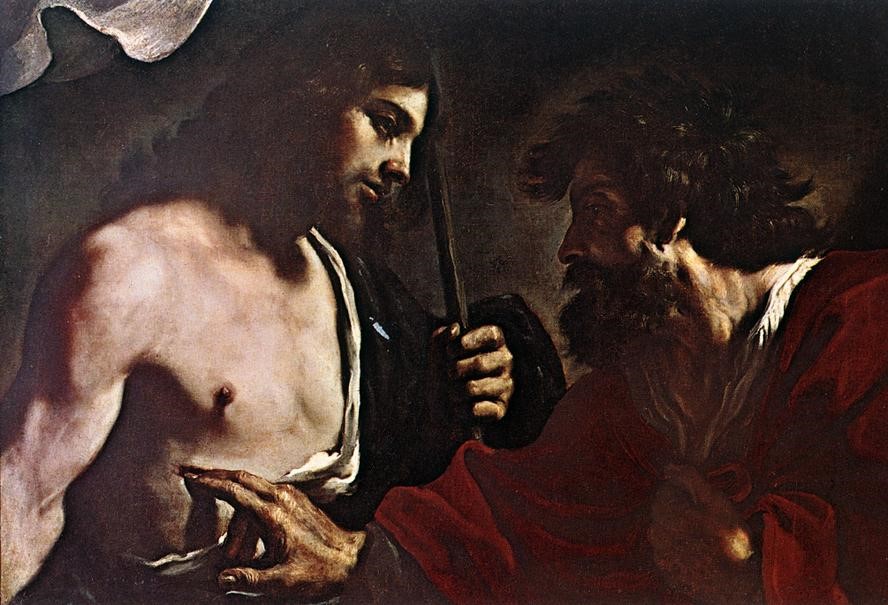
Doubting_Thomas_By_Guercino
Doubting Thomas by Guercino

On the evening of that first day of the week,
when the doors were locked, where the disciples were,
for fear of the Jews,
Jesus came and stood in their midst
and said to them, “Peace be with you.”
When he had said this, he showed them his hands and his side.
The disciples rejoiced when they saw the Lord.
Jesus said to them again, “Peace be with you.
As the Father has sent me, so I send you.”
And when he had said this, he breathed on them and said to them,
“Receive the Holy Spirit.
Whose sins you forgive are forgiven them,
and whose sins you retain are retained.”

Thomas, called Didymus, one of the Twelve,
was not with them when Jesus came.
So the other disciples said to him, “We have seen the Lord.”
But he said to them, “Unless I see the mark of the nails in his hands
and put my finger into the nailmarks
and put my hand into his side, I will not believe.”

Now a week later his disciples were again inside
and Thomas was with them.
Jesus came, although the doors were locked,
and stood in their midst and said, “Peace be with you.”
Then he said to Thomas, “Put your finger here and see my hands,
and bring your hand and put it into my side,
and do not be unbelieving, but believe.”
Thomas answered and said to him, “My Lord and my God!”
Jesus said to him, “Have you come to believe because you have seen me?
Blessed are those who have not seen and have believed.”

Now Jesus did many other signs in the presence of his disciples
that are not written in this book.
But these are written that you may come to believe
that Jesus is the Christ, the Son of God,
and that through this belief you may have life in his name.

-John 20:19-31